Cowpea
A drought-tolerant legume vital to semiarid agriculture.

David E Mead · CC0
The cowpea (Vigna unguiculata) is an annual herbaceous legume from the genus Vigna, domesticated in Africa and one of the oldest crops to be farmed. Its tolerance for sandy soil and low rainfall has made it an important crop in semiarid regions across Africa and Asia, with most production occurring in Nigeria and Niger.
- scientific_name
- Vigna unguiculata
- domestication_origin
- Africa (possibly East or West Africa)
- major_producers
- Nigeria and Niger (66% of world production)
- global_cultivation_1997
- 12.5 million hectares
- global_production_1997
- 3 million tonnes
- primary_pests
- Maruca vitrata (preharvest), Callosobruchus maculatus (postharvest)
Lore & Background
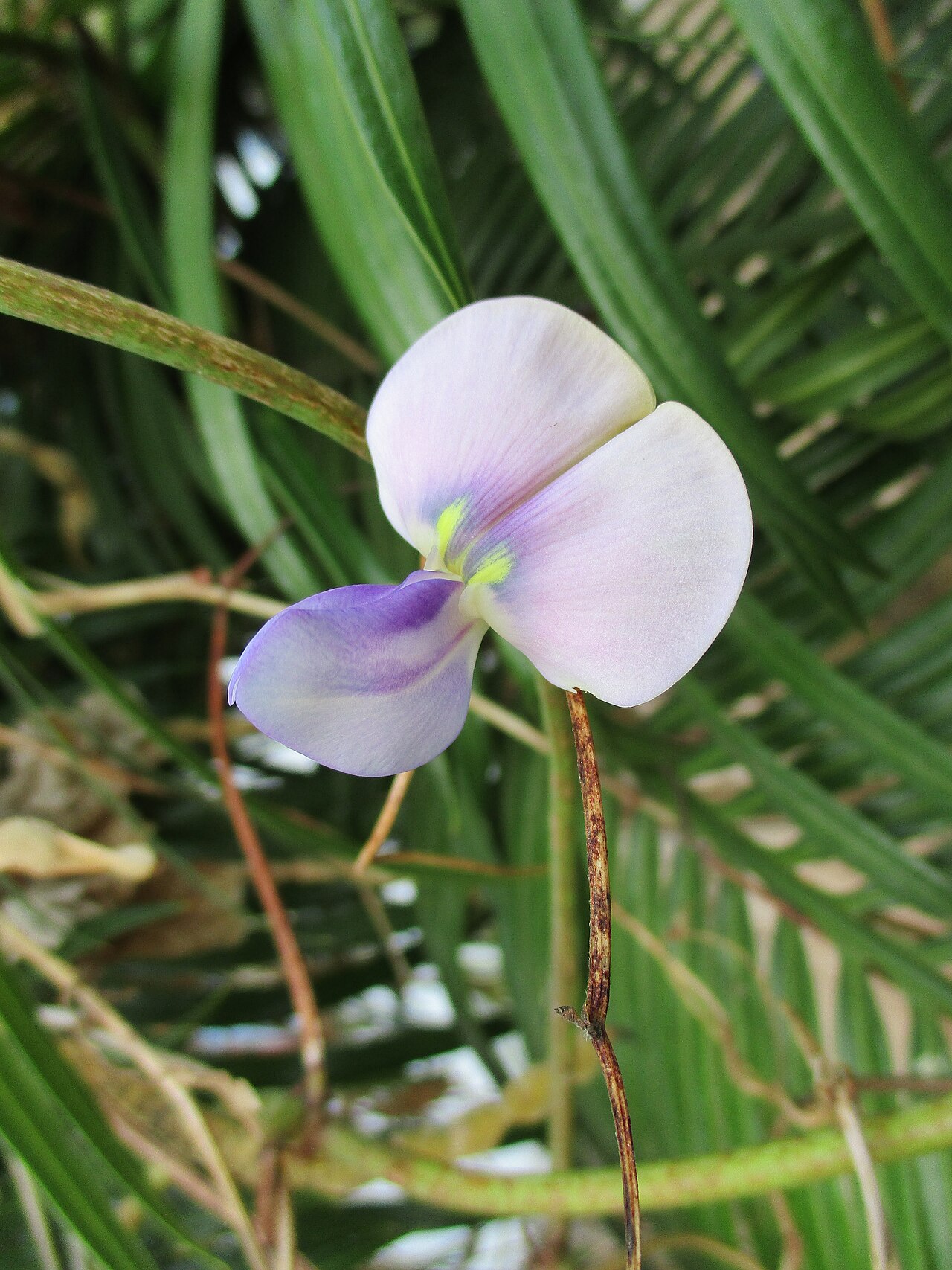
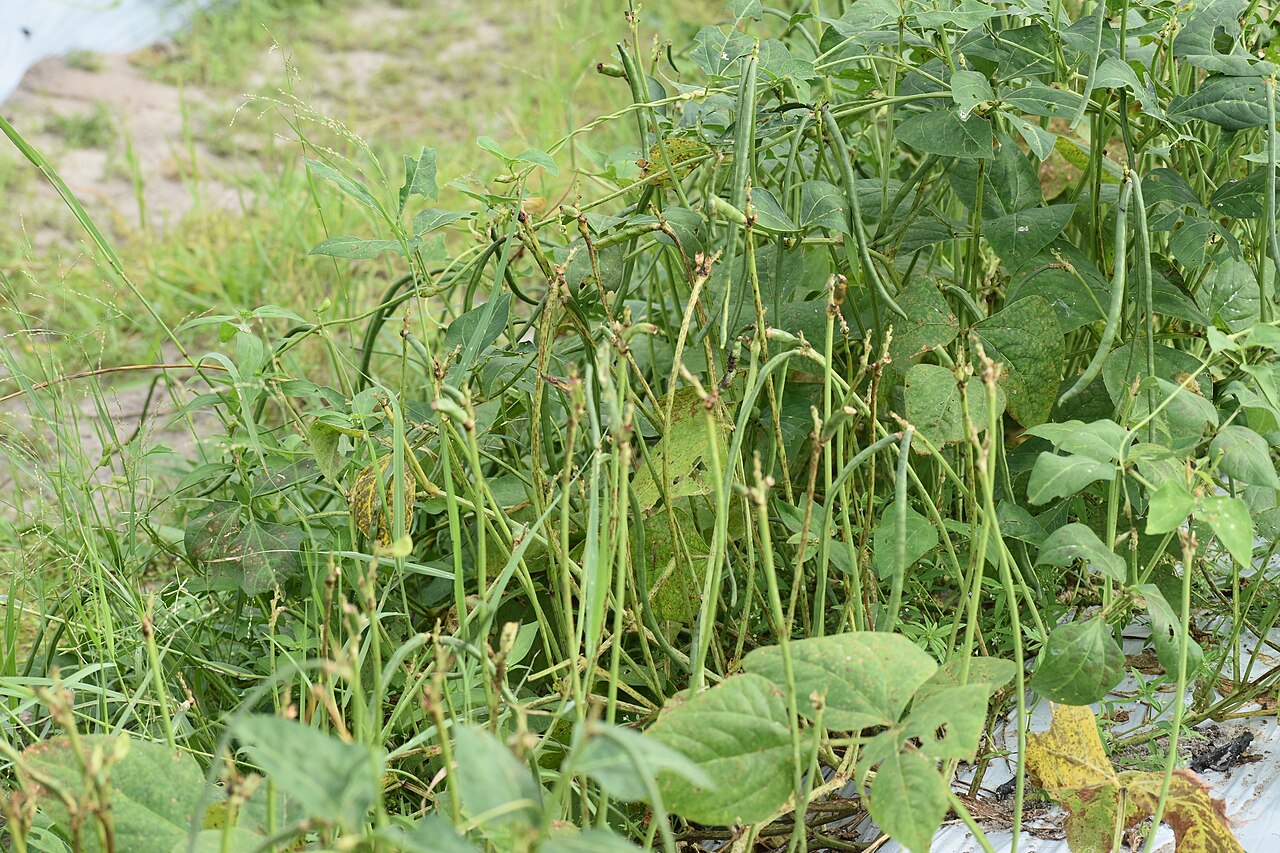
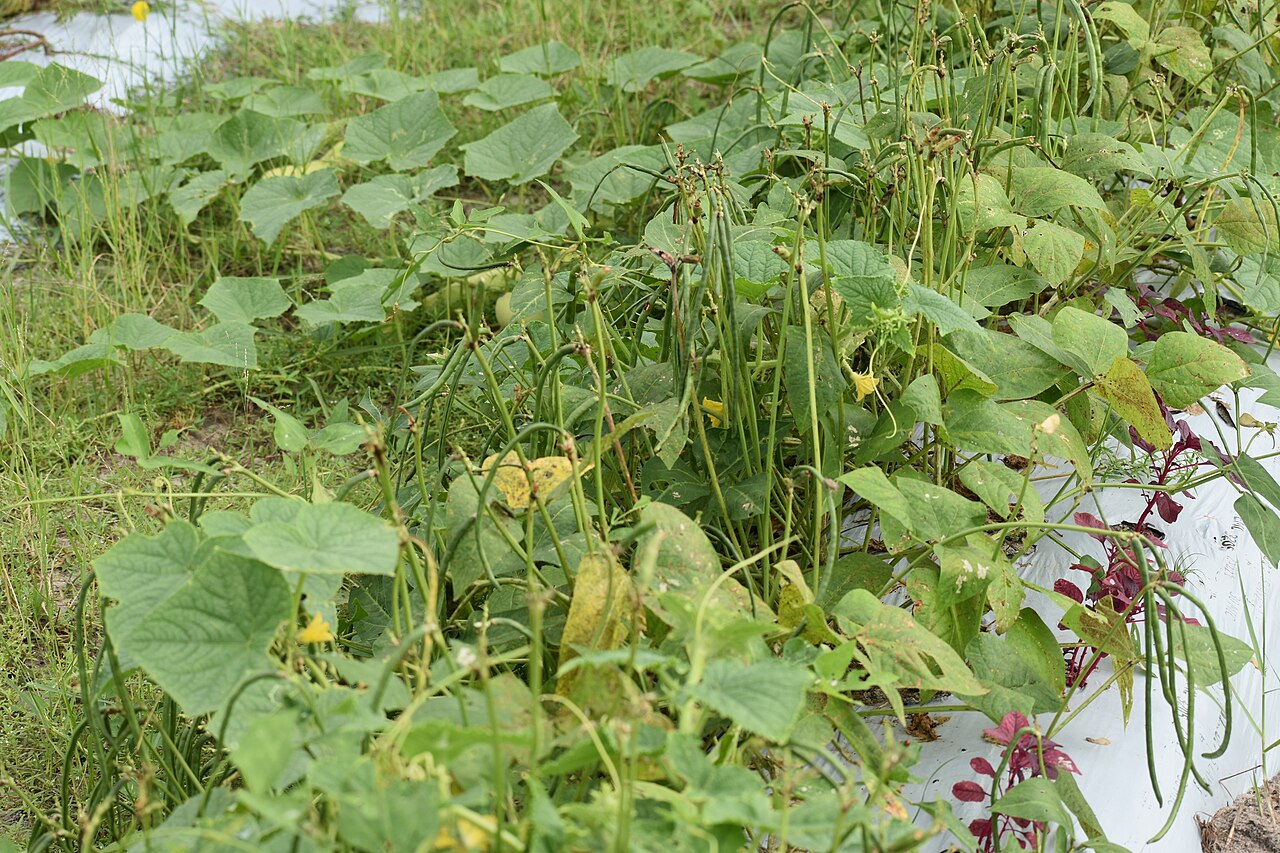
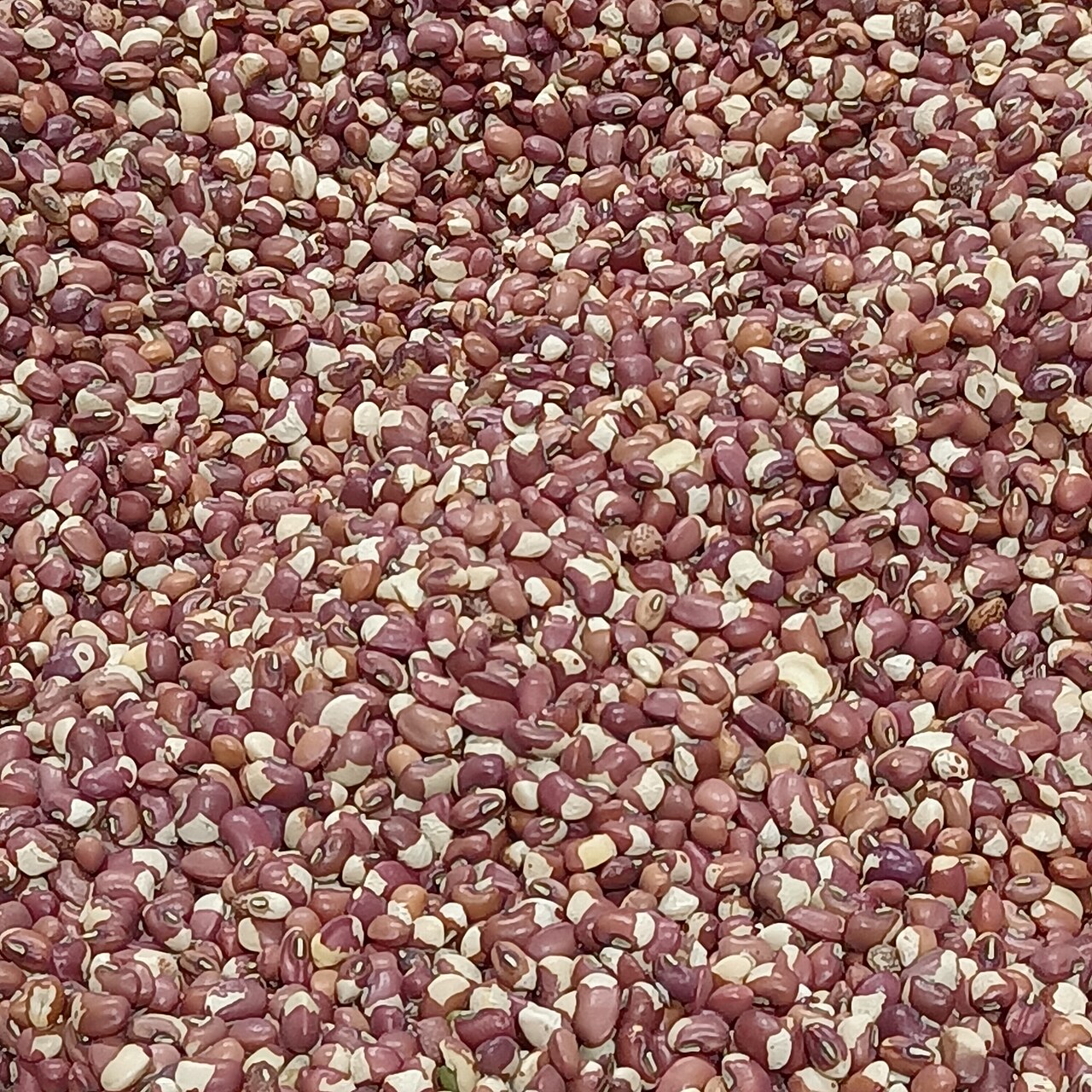
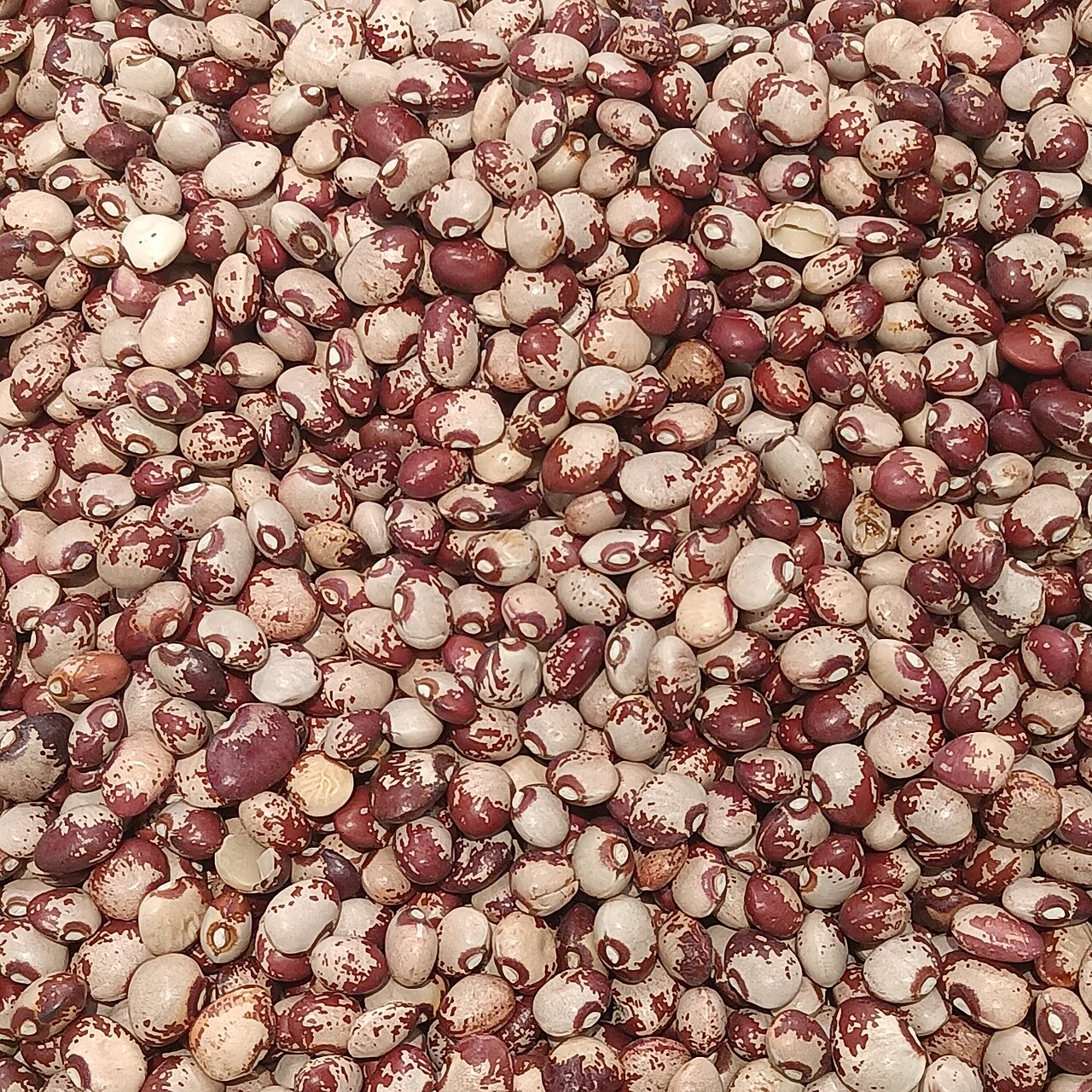
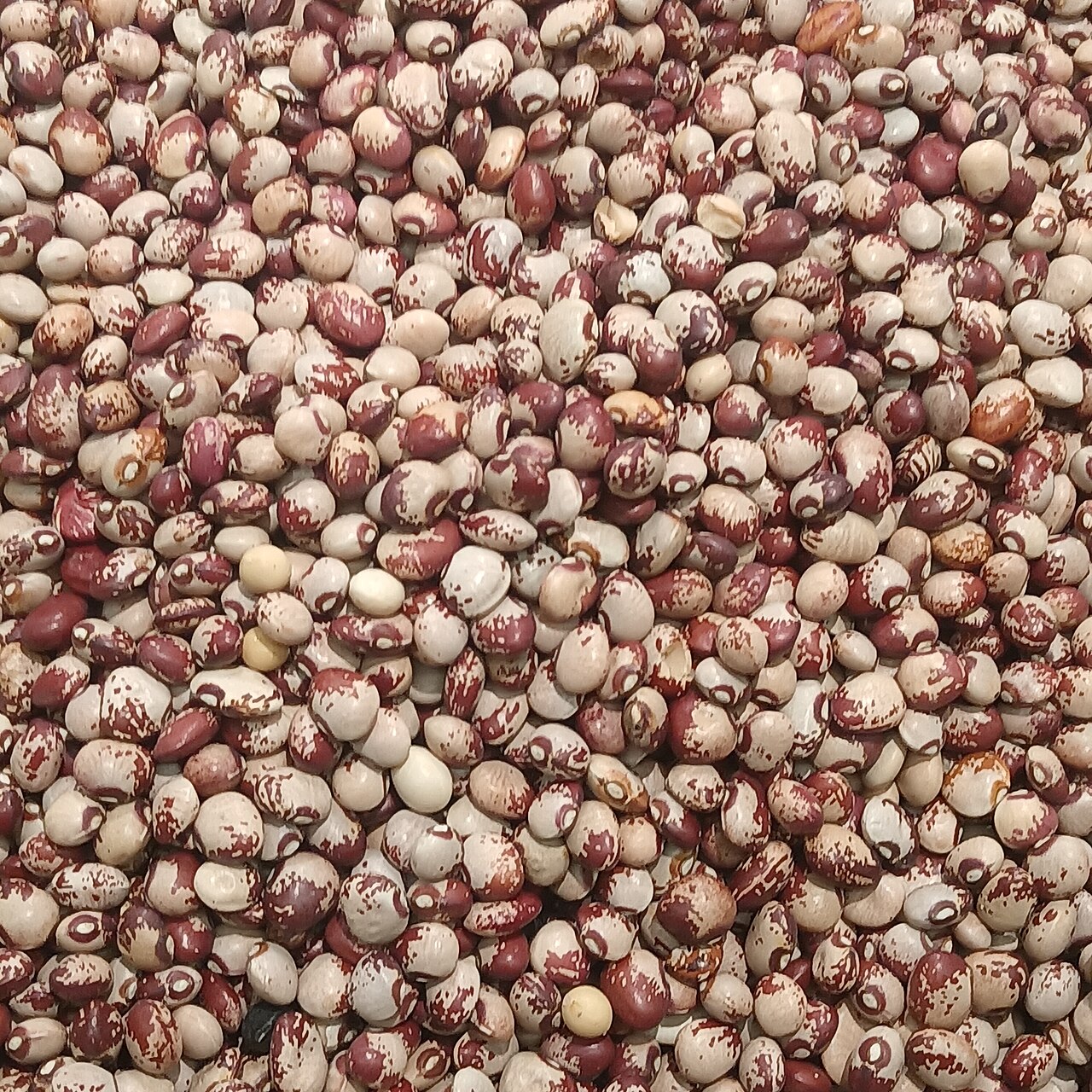
The cowpea exhibits high morphological diversity, with varieties ranging from short bushy plants 20 cm tall to climbing vines reaching 2 m. Its leaves vary greatly in size and shape, and its flowers display shades of purple, pink, yellow, white, and blue. The seeds are typically kidney-shaped and come in colors including white, cream, green, red, brown, and black, often speckled or mottled. Four subspecies are recognized, three of which are cultivated; all cultivated forms fall under V. unguiculata subspecies unguiculata, divided into cultivar groups such as unguiculata (black-eyed pea), biflora, sesquipedalis (yardlong bean), and textilis.
Reader's Guide
The cowpea's significance lies in its ability to thrive in poor, dry conditions with minimal inputs, making it a crucial crop for resource-poor farmers in the Sahel and other semiarid regions. Its root nodules fix atmospheric nitrogen, enriching the soil and allowing effective intercropping with sorghum, millet, maize, cassava, or cotton. The seeds are high in protein and consumed as stews, curries, flour, or paste; leaves and immature pods are also edible, and the whole plant serves as livestock forage. Despite its resilience, insect infestation—particularly by the legume pod borer and cowpea weevil—can cause over 90% yield loss. Traditional and modern storage methods, including the PICS double-bagging system, help mitigate postharvest losses. The crop's domestication history remains uncertain, with competing theories placing the center of origin in West or East Africa, and a secondary domestication event likely occurring in Asia before spread to Europe and the Americas.
Did You Know?
- The Latin name unguiculata means 'with a small claw,' referring to small stalks on the flower petals.
Taxonomic Identity & the Pulse Classification
Cowpea sits within the vast legume family Fabaceae, also called Leguminosae, which ranks as the third-largest family of land plants by species count, trailing only Orchidaceae and Asteraceae. Within this enormous group, cowpea is specifically recognized by the United Nations Food and Agriculture Organization as one of eleven primary pulses, listed under the names dry cowpea, black-eyed pea, or blackeye bean. The FAO's definition is precise: a pulse is a legume crop harvested exclusively for its dry seed. This classification deliberately excludes green beans and green peas, which fall under vegetable crops, as well as oilseeds such as soybeans and peanuts and forage-only species like clover and alfalfa. In everyday language, however, these boundaries blur considerably, and many cowpea varieties are enjoyed both as dried seeds and as young green pods, making the formal taxonomy less visible to the average consumer.
The Nitrogen-Fixing Partnership
One of cowpea's most remarkable biological traits is its partnership with symbiotic bacteria called Rhizobia, which colonize specialized structures known as root nodules. These microorganisms perform a chemical feat that most plants cannot achieve independently: they convert atmospheric molecular nitrogen into ammonia through a reaction involving protons and electrons, and the ammonia is subsequently transformed into ammonium, a form the plant can readily absorb. This internal nitrogen supply makes cowpea naturally rich in nitrogenous amino acids and protein. When the plant eventually dies in the field after harvest, the nitrogen locked in its remaining tissues is released into the soil, where amino acids are converted to nitrate, effectively fertilizing whatever crop follows. This cycle underpins crop rotation and polyculture in both traditional and organic farming systems, allowing growers to alternate legumes with non-legumes and maintain soil fertility without synthetic nitrogen inputs. Cowpea also serves as green manure, further cementing its role as a soil-building workhorse in sustainable agriculture.
Pests, Pathogens & Growing Challenges
Despite its ecological virtues, cowpea faces a formidable array of biological threats. In tropical and subtropical regions across Asia, Africa, Australia, and Oceania, tiny yet devastating flies from the family Agromyzidae—colloquially called bean flies—can attack from germination all the way through harvest, capable of wiping out an entire crop in its early stages. Black bean aphids, pea weevils, and bean weevils add further pressure, the latter two leaving telltale semi-circular notches along leaf margins. Stem nematodes, though widespread, concentrate in areas where their host plants are cultivated. On the disease front, cowpea is vulnerable to a long list of biotic afflictions: anthracnose from Colletotrichum trifolii, common leaf spot from Pseudomonas syringae, crown wart, downy mildew, multiple forms of root rot caused by Fusarium and Pythium species, rust from Uromyces striatus, crown and stem rot from Sclerotinia trifoliorum, Southern blight, fusarium wilt, and root knot from Meloidogyne hapla. Abiotic stressors—nutrient deficiencies, pollutant exposure, toxic mineral concentrations, and unfavorable growing conditions—compound the challenge for growers.
Versatility in the Field & on the Plate
Cowpea occupies a remarkably flexible niche in global agriculture. Grown primarily for human consumption, it also serves as livestock forage, silage, and soil-enhancing green manure, making it a multi-purpose crop within a single growing season. The FAO's recognition of eleven primary pulses—spanning dry beans like kidney, navy, pinto, and black turtle beans; dry broad beans; dry peas; chickpea; cowpea; pigeon pea; lentil; Bambara groundnut; vetch; and lupins—highlights how cowpea fits into a broader family of protein-rich staples. In common usage, the line between a dried pulse and a fresh green vegetable is often blurred, and many cowpea varieties are harvested young for their pods as well as dried for their seeds. Storage presents its own practical concern: seed viability declines as storage time lengthens, a factor documented in studies of related legumes such as vetch, broad beans, and peas. This combination of culinary versatility, agronomic flexibility, and the practical realities of seed storage makes cowpea a quietly indispensable member of the world's food systems.
Gallery
Frequently Asked Questions
What exactly is Cowpea?
Cowpea is the common name for Vigna unguiculata, an annual legume plant that humans have been cultivating for thousands of years. It produces edible seeds and pods and belongs to the genus Vigna.
Where did Cowpea originally come from?
Cowpea was first domesticated in Africa, most likely in either the eastern or western part of the continent, making it one of the earliest crops humans began farming.
Why is Cowpea so important in dry regions?
The plant thrives in sandy soils and requires very little water, which makes it a critical food source across semiarid parts of Africa and Asia where other crops struggle to survive.
Which countries grow the most Cowpea?
Nigeria and Niger together account for roughly two-thirds of all global cowpea production, making them the dominant producers by a wide margin.
More in Edible Fruits & Vegetables 1-24
Elsewhere in the Edible Fruits & Vegetables universe
Spotted an error? Know more?
This is a living reference — every entry is fact-audited, and reader corrections feed straight into our audit queue. Suggest an edit · See this site's audit record