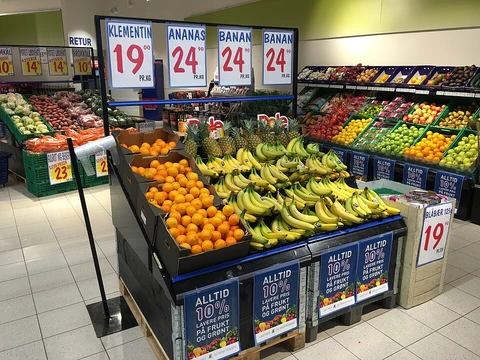
Cider apple
Apple cultivars grown for cider, classified by tannin and acid content.

JFVelasquez Floro · CC0
Cider apples are a group of apple cultivars grown specifically for use in cider production (called 'hard cider' in the United States). They are distinguished from cooking and dessert apples by their bitterness or dryness of flavor, qualities that make the fruit unpalatable for eating but useful in cidermaking. Some apples are considered to occupy more than one category.
Lore & Background
The system divides apples into four categories and includes a three-level classification of tannin: 'full' for pronounced tannins, 'mild' for light tannins, and 'medium'. Tannins are further sometimes categorized as 'hard' or 'soft', for bitter and astringent tannins respectively.
Reader's Guide
Cider apples matter because their specific chemical composition—high sugar levels for fermentation, tannins for depth of flavor, and controlled acidity—is essential for producing balanced, high-quality cider. In the US, most ciders are made from culled dessert apples, as high-tannin cultivars are not widely available, and no systematic classification exists for North American apple cultivars. Beyond the English and French systems, modern characterization also considers pH, polyphenol composition, yeast assimilable nitrogen, and soluble solid concentration (ºBrix), which affect fermentation, alcohol content, and tax classification in both the US and UK. The legacy of cider apples is tied to traditional growing regions in England, France, and Spain, each with distinct styles, though single-varietal ciders are a largely modern practice, with only a few cultivars considered capable of producing complex flavors on their own.
Did You Know?
- Cider apples are distinguished from cookers and eaters by their bitterness or dryness of flavour.
- In the United States, federal law defines 'hard cider' for tax purposes as between 0.5% and 7% alcohol by volume (with certain tax credits available up to 8.5% ABV).
- Many apple varieties can and do make excellent single-variety ciders, so the idea that only a very small number are suitable is a myth.
Cultivar Selection & Propagation for Cider
Because apples propagated from seed produce offspring that frequently lack the desirable characteristics of their parent tree, cider breeders and growers depend on clonal grafting to preserve the precise genetic identity of a chosen variety. This technique involves joining a cutting of the desired cultivar onto a carefully selected rootstock. The rootstock plays a critical role in orchard management: it governs the speed of growth and the ultimate size of the tree. Without a rootstock, apple trees tend to grow considerably larger and take much longer to produce fruit after initial planting. By selecting the appropriate rootstock, growers can keep their cider apple trees at a practical size, making the harvest of fruit far more manageable. This propagation method ensures that the specific flavor profile bred into a cider cultivar is faithfully reproduced from season to season.
Flavor Chemistry & Aromatic Profile
The aromatic and flavor complexity that distinguishes a cider apple from a dessert variety is rooted in a rich cocktail of volatile organic compounds. Key contributors to the scent and taste of apple fruit include acetaldehyde, ethyl acetate, 1-butanal, ethanol, and a range of methylbutanals. Esters such as ethyl propionate, ethyl butyrate, amyl acetate, and ethyl hexanoate add further layers of aroma, while alcohols like 1-butanol, hexanol, and 2-methyl-1-butanol contribute to the overall sensory profile. Aldehydes including hexanal, trans-2-hexenal, and 3-methylbutanal round out the bouquet. These compounds work together to create the characteristic apple fragrance that, when pressed and fermented, becomes the backbone of cider's aromatic identity.
Fruit Anatomy & Physical Variation
The cider apple is botanically a pome, a fruit type in which the true reproductive structures—the carpels—form the harder interior chambers within the core. Typically five carpels are present, though some fruits contain as few as three, and each chamber houses one or two seeds. The edible flesh that surrounds these core chambers is not derived from the ovary itself but from the receptacle at the base of the flower, a detail that distinguishes pomes from true berries. Seeds within a cider apple are egg- to pear-shaped, ranging in color from light tan to very dark brown, sometimes carrying red or purplish-black markings. The five sepals from the original blossom remain attached and project from the fruit's surface. Size varies enormously across cultivars, with diameters spanning from roughly 2.5 to 12 centimeters, and shapes ranging from nearly spherical to elongated, conical, or broad and squat. The ground color of ripe fruit may be yellow, green, or whitish, while the overcolor can shift from orange-red through pink-red to purple-red or brown-red, with russeting adding a rough, brown texture to the skin.
Tree Biology & Cultivation Challenges
The cider apple tree is a deciduous species that, in cultivation, typically stands between two and four and a half metres tall, though wild specimens can reach fifteen metres. In a managed orchard, the tree's size, shape, and branch density are largely dictated by the chosen rootstock and the trimming regimen applied by the grower. Left unmanaged, the tree develops a rounded to erect crown with a dense leaf canopy. The trunk bark is dark gray or gray-brown, while younger branches show a reddish or dark-brown hue with smooth texture; young twigs are initially covered in fine downy hairs that they shed as they mature. Spring brings blossoms simultaneously with leaf emergence, the petals opening from rose-pink to white or light pink in clusters of three to seven flowers. The central king bloom opens first and can develop into the largest fruit. However, open blossoms are vulnerable to even brief frosts at minus two degrees Celsius or below, a significant risk for cider orchards. The trees and their fruit are also susceptible to fungal, bacterial, and pest pressures, manageable through both organic and conventional interventions.
Gallery

Frequently Asked Questions
What is a Cider apple?
Cider apples are a dedicated group of apple cultivars grown specifically to be pressed into hard cider rather than eaten or cooked. They form their own recognized category of fruit cultivar, separate from dessert and cooking varieties.
Why can't you just eat a Cider apple like a regular apple?
These apples carry high levels of tannins and malic acid, which give them a harsh, bitter, and astringent bite most people find unappetizing raw. That very dryness and sharpness is precisely what makes them so valuable in the fermentation process for making cider.
What role do tannins and malic acid play in the final cider?
Tannins supply the dry, astringent structure that gives hard cider its full-bodied mouthfeel, while malic acid contributes the bright tartness that balances sweetness after fermentation. Together, these two compounds are the defining chemical traits that set cider apples apart from other apple types.
Can a single apple be both a cider apple and a dessert apple?
Yes, some cultivars straddle more than one category and can be used for both fresh eating and pressing. This overlap means the cider-apple group is not always a perfectly exclusive set of varieties.
More in Edible Fruits & Vegetables 1-24
Elsewhere in the Edible Fruits & Vegetables universe
Spotted an error? Know more?
This is a living reference — every entry is fact-audited, and reader corrections feed straight into our audit queue. Suggest an edit · See this site's audit record