Collard (plant)
A leafy green cultivated since classical antiquity.

Vegan Feast Catering · CC BY 2.0
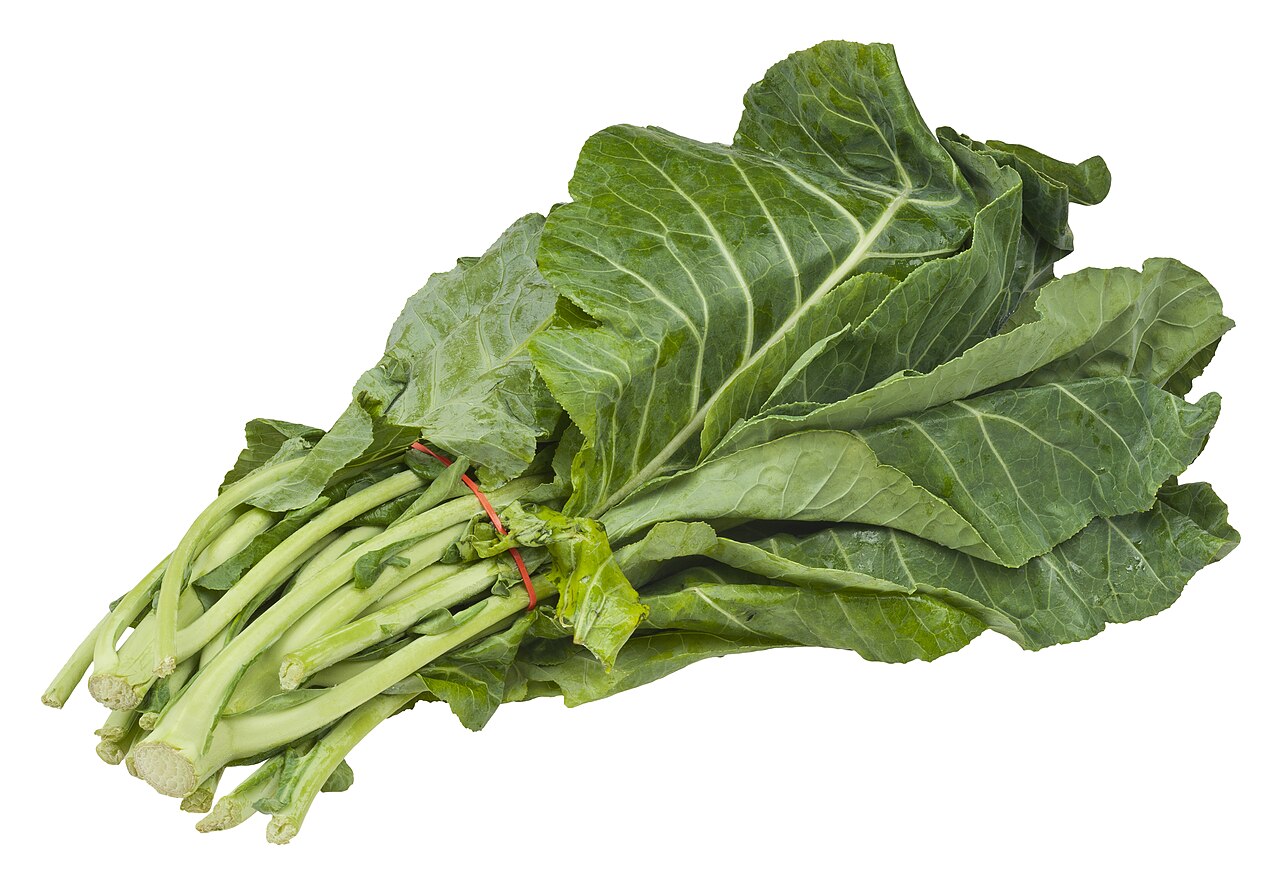
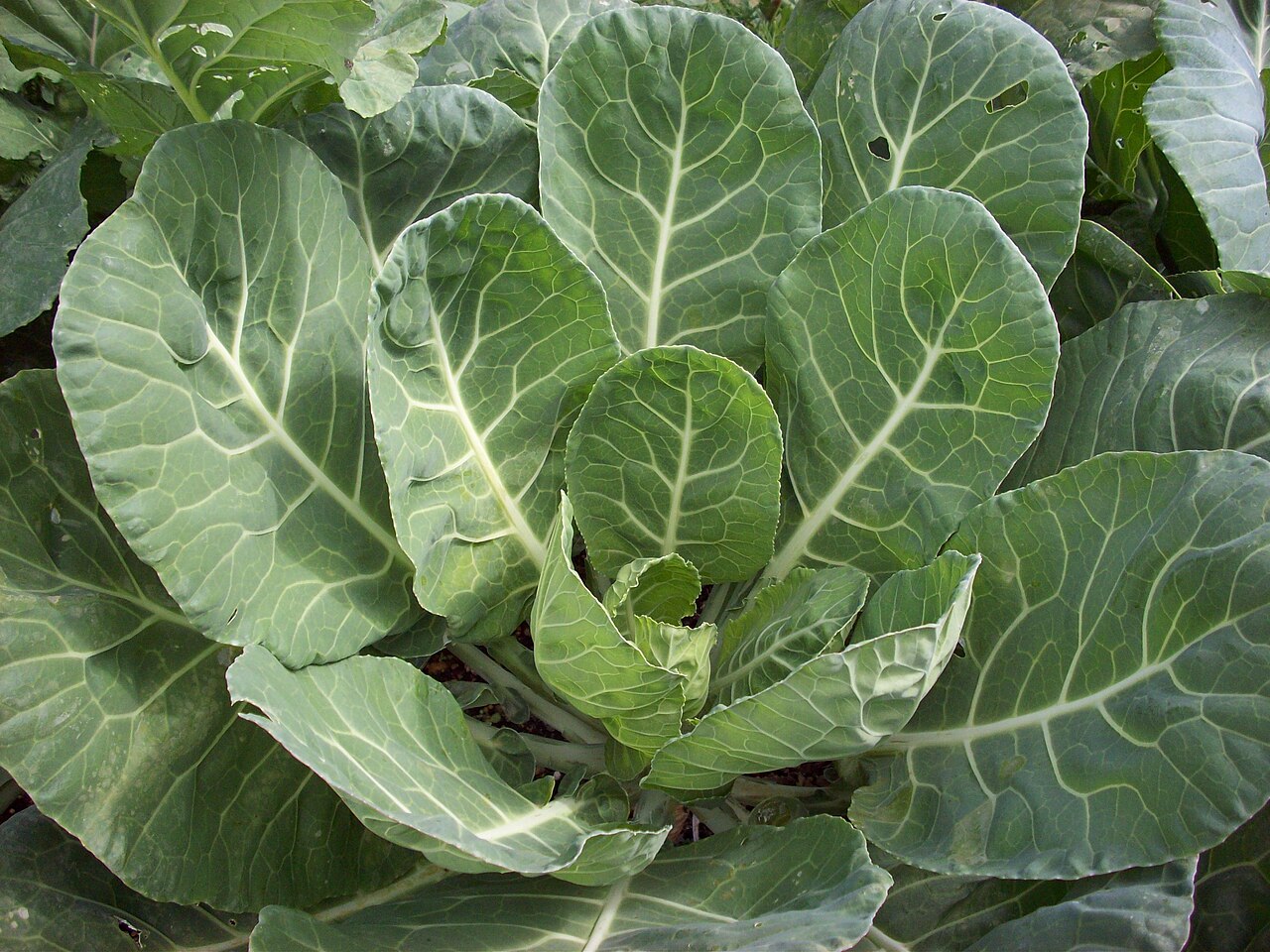
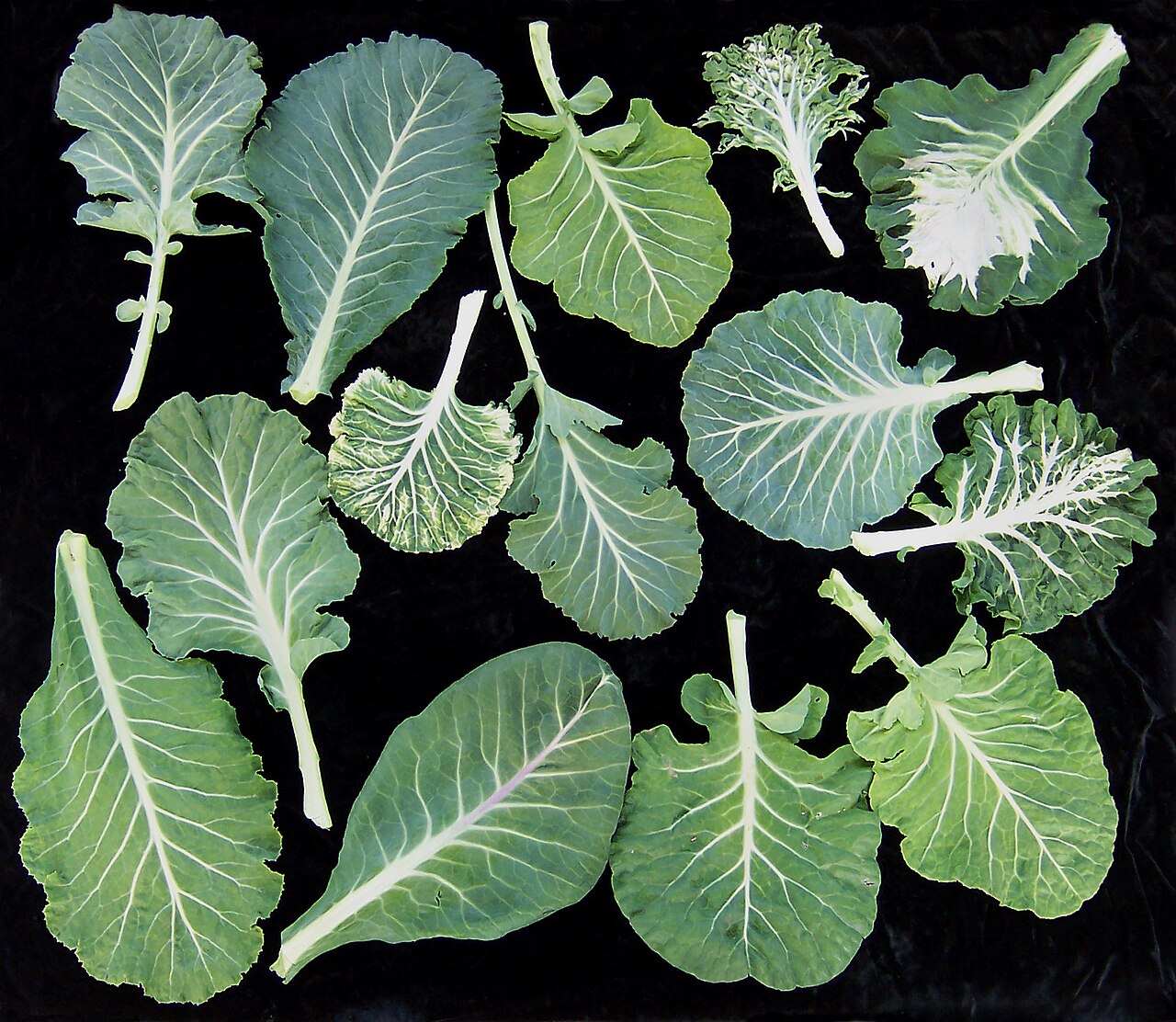
Collard is a group of loose-leafed cultivars of Brassica oleracea, the same species as cabbage and broccoli. It is part of the Acephala Group (or 'kale group') and also classified as the variety B. oleracea var. viridis. Grown for its large, dark-green, edible leaves, collard has been cultivated as food since classical antiquity.
- species
- Brassica oleracea
- group
- Acephala Group (kale group)
- variety
- B. oleracea var. viridis
- type
- Biennial (perennial in warmer regions)
- known_for
- Edible leaves, staple in Southern U.S. and African cuisines
Lore & Background
Collard is a biennial plant where winter frost occurs, with some varieties perennial in warmer regions. It has an upright stalk, often growing over two feet tall, and up to six feet for Portuguese cultivars. Popular cultivars include 'Georgia Southern', 'Vates', 'Morris Heading', 'Blue Max', 'Top Bunch', 'Butter Collard', couve tronchuda, and Groninger Blauw. The term 'collard' has been used to include many non-heading Brassica oleracea crops, while American collards are best placed in the Viridis variety. The name Acephala is Greek for 'without a head', referring to the lack of a close-knit core of leaves, making collards more tolerant of high humidity and less susceptible to fungal diseases.
Reader's Guide
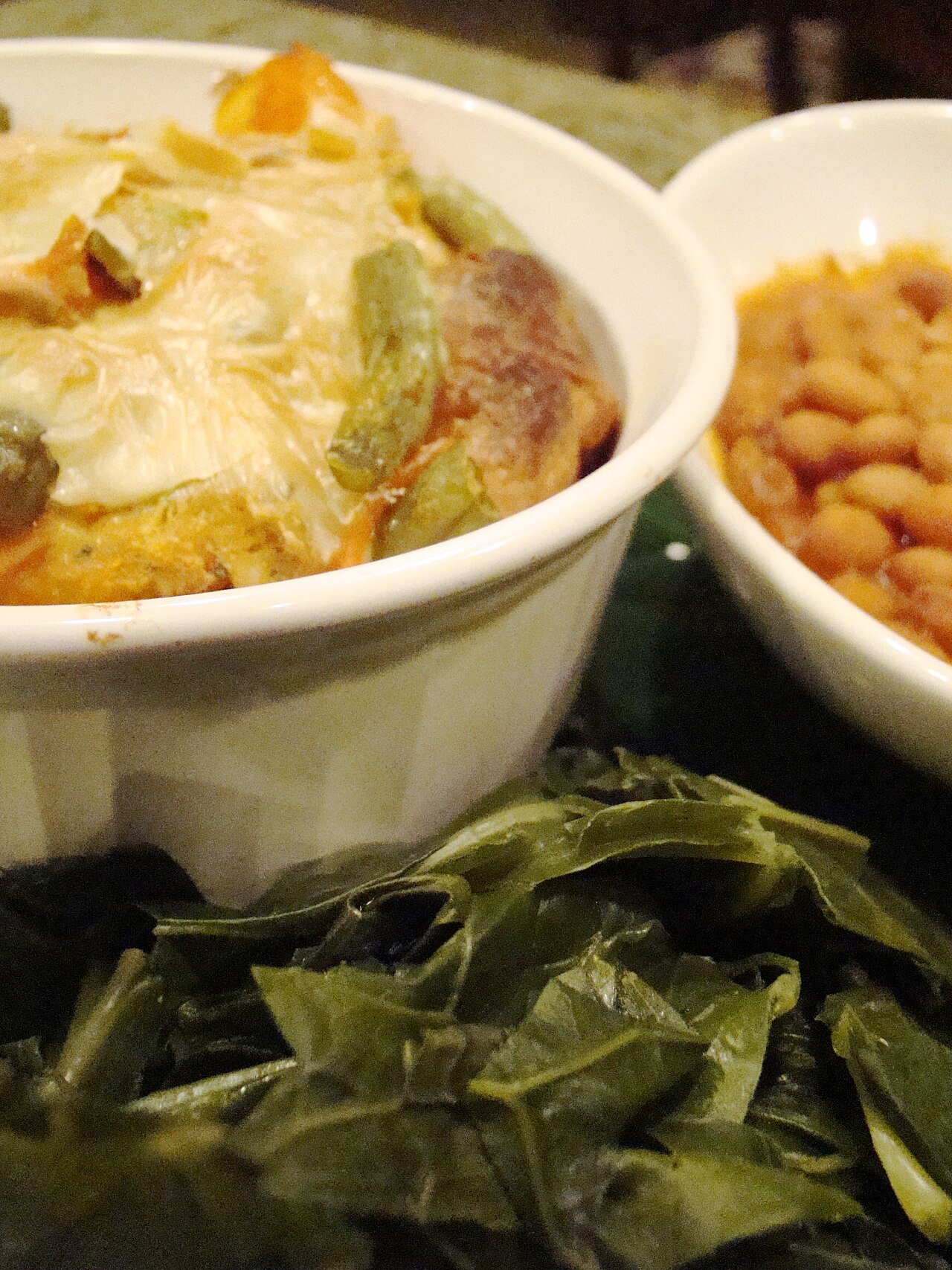
Collard greens are a staple vegetable in Southern U.S. cuisine, often prepared with smoked meats, onions, vinegar, and spices, and traditionally eaten on New Year's Day with black-eyed peas and cornbread. In East Africa, they are known as sukuma wiki and are commonly sautéed with onions and served with ugali. In Brazil and Portugal, collard greens (couve) accompany fish and meat dishes, notably feijoada, and are a main ingredient in caldo verde soup. Collards have been cultivated in Europe for thousands of years, with references to the Greeks and Romans back to the 1st century CE. During slavery in the U.S., collards were common in kitchen gardens, supplementing rations due to their hardiness. The plant symbolizes Southern and African-American culture, as seen in festivals and its inclusion in President Barack Obama's first state dinner.
Did You Know?
- Collard is part of the Acephala Group, Greek for 'without a head', referring to its lack of a close-knit core of leaves.
- In East Africa, collard greens are known as sukuma wiki and are commonly eaten with ugali.
- Some collard cultivars exhibit resistance to bacterial leaf blight caused by Pseudomonas cannabina pv. alisalensis.
Where Collard Sits in the Vegetable Taxonomy
Collard occupies a specific niche within the broader architecture of culinary plant classification. It belongs to the leafy and salad vegetables group, one of several major subdivisions that together form the recognized vegetable landscape. This taxonomy is not a single rigid tree but rather a multi-sensory framework: the word vegetable can be understood through culinary, botanical, and even legal lenses, each potentially drawing different boundaries around what qualifies. Collard, as a leafy green, sits comfortably in the culinary sense, yet its placement would shift if one applied strict botanical definitions to the same plant. The full vegetable list it inhabits also encompasses fruit vegetables such as cucumbers, eggplants, okra, peppers, pumpkins, squash, and tomatoes, alongside podded vegetables, bulb and stem vegetables, root and tuberous vegetables, edible flowers, and even sea vegetables. Understanding collard's identity therefore requires acknowledging that it is one thread in a far larger and more varied tapestry of edible plant matter.
The Boundaries of What Counts as a Vegetable
Defining the vegetable category is as much about exclusion as inclusion. The recognized list deliberately draws lines around what belongs and what does not. Herbs, spices, cereals, culinary fruits, culinary nuts, and edible fungi are all explicitly set outside the vegetable boundary, even though they share the same kitchen and the same plant kingdom. Collard, as a leafy and salad vegetable, exists on the included side of that line, distinct from the aromatic herbs that might season a dish or the starchy cereals that form a meal's base. The list also embraces what many would call fruit vegetables—cucumbers, eggplants, okra, peppers, pumpkins, squash, and tomatoes—acknowledging that culinary usage routinely overrides strict botanical logic. This boundary-drawing is not merely academic; it shapes how recipes are organized, how grocery stores are laid out, and how a plant like collard is understood in relation to the dozens of other edible species that surround it in the culinary world.
Legal Identity and the Regulatory Lens
Beyond the kitchen and the garden, the term vegetable carries a formal legal weight that can diverge sharply from botanical or even culinary intuition. Regulatory bodies, tax authorities, and trade organizations each define vegetables for their own institutional purposes, creating a parallel classification system that exists alongside the everyday one. The most frequently cited illustration is the tomato: botanically a berry and therefore a fruit, yet legally and culinarily treated as a vegetable in the United States. This precedent demonstrates that a plant's official category can be shaped by commerce, taxation, and regulation rather than by its cellular structure. Collard, while less likely to generate a courtroom debate, still operates within this same regulatory framework. Its classification as a leafy and salad vegetable is not merely a matter of taste or tradition; it is embedded in the legal and administrative language that governs how such plants are traded, taxed, and regulated across jurisdictions.
Collard in the Wider Ecosystem of Plant Foods
No vegetable exists in isolation, and collard is no exception. The culinary world organizes plant-based foods into an interconnected web of related categories, and collard's identity is reinforced by its neighbors in that web. Adjacent lists include herbs, vegetable juice, culinary fruits, leaf vegetables, vegetable dishes, the broader category of foods, and even seed. Each of these represents a different angle on the same underlying reality: that plants serve countless roles in human nutrition and culture. Collard, as a leafy and salad vegetable, connects to the leaf-vegetable list directly, to vegetable dishes through its role in prepared meals, and to the wider food system through its nutritional and cultural significance. The existence of these cross-referenced categories underscores that understanding a single plant like collard requires seeing it as part of a living, layered network of edible species, each defined not just by what it is but by what it is not and what it relates to.
Gallery


Frequently Asked Questions
What is Collard (plant)?
Collard is a loose-leafed vegetable grown specifically for its large, dark-green edible leaves. It sits within the Acephala Group, commonly called the 'kale group,' of the Brassica oleracea species.
What species does Collard belong to?
Collard is a cultivar of Brassica oleracea, making it a close relative of both cabbage and broccoli. Its formal variety designation is B. oleracea var. viridis.
How long has Collard been cultivated as food?
Collard has been grown as an edible crop since classical antiquity, giving it thousands of years of agricultural history. It is a biennial plant, though it can behave as a perennial in warmer climates.
Where is Collard most popular as a food?
Collard leaves are a staple ingredient in Southern U.S. cooking and in traditional African cuisines. The broad, dark-green foliage is the primary part harvested for eating.
How is Collard different from other Brassica oleracea varieties?
While cabbage and broccoli share the same species, collard is set apart by its loose, non-heading leaf structure and its placement in the Acephala (kale) group. It is valued for its wide, edible foliage rather than a compact head or flowering stalk.
More in Edible Fruits & Vegetables 1-24
Elsewhere in the Edible Fruits & Vegetables universe
Spotted an error? Know more?
This is a living reference — every entry is fact-audited, and reader corrections feed straight into our audit queue. Suggest an edit · See this site's audit record